When sourcing mattresses for large-scale projects, “comfort” is subjective, but “firmness” is a technical specification. For hotel managers and apartment developers, selecting the right firmness is about balancing guest satisfaction with long-term durability.
What is Mattress Firmness?
Mattress firmness refers to the immediate “feel” or resistance you experience when lying on a mattress. Unlike support—which relates to the mattress’s internal core and spinal alignment—firmness is determined by the comfort layers (such as high-density foam, latex, or memory foam).
For hotel and apartment projects, firmness is a critical specification that directly impacts guest satisfaction and the perceived luxury of the sleep experience.
Mattress Firmness Scale
Mattress firmness can be subjective, so Milado uses a 1-10 scale to help hotel partners compare models. This professional scale provides a consistent reference for procurement, but we suggest to get a hands-on sample test to accurately assess the final feel and support of each collection.
|
Level |
Feel |
Description |
|---|---|---|
|
1-2 |
Extra Plush |
Specifically designed to offload pressure from the shoulders and hips, offering a therapeutic, cushioned experience for joint comfort. |
|
3-4 |
Plush |
Significant surface cushioning that allows the body to settle deeply into the comfort layers—like sleeping in the cloud. |
|
5-6 |
Medium |
Medium firmness strikes a precise equilibrium between body-conforming pressure relief and robust structural support, making it the best choice for accommodating diverse sleepers’ preferences. |
|
6.5-7.5 |
Medium-firm |
This is the most popular zone of the mattress firmness scale. It combines high-resilience foam with springs support layer, ensuring the back feels fully supported while maintaining a soft and comfortable feel. |
|
8-9 |
Firm |
Engineered for spinal alignment and durability, suitable for back sleepers and heavy people. |
|
10 |
Extra Firm |
Maximum structural rigidity with almost no sinkage. Delivers a solid, highly stable sleeping surface. |
Pro Tips for Procurement Managers
-
Don’t Confuse Firmness with Support: A soft mattress can still have great support if it has a high-quality pocket spring system.
-
Climate Matters: Climate plays a huge role in mattress lifespan. In tropical or high-humidity areas, it is vital to choose materials like Gel Memory Foam or Natural Latex. These components actively counteract heat buildup, providing a cooler sleep surface for guests while protecting the mattress structure from the ‘softening effect’ caused by trapped heat and humidity.
-
Add a Soft Topper: Many 5-star hotels buy Firm mattresses for durability and add a Soft Topper for a luxury feel—this extends the mattress lifespan significantly.
Learn More About Mattresses
Difference: Firmness vs. Support
Many people confuse mattress firmness with mattress support, but they describe two different aspects of sleep comfort. Understanding the difference can help you make an informed procurement decision:
1. Firmness: The Surface Feel (Subjective)
Firmness is the immediate sensation feels when first lying down. It is determined by the “comfort layers” (the top 2-4 inches of the mattress), such as memory foam, latex, or quilted fiber.
-
Purpose: To provide initial comfort, pressure relief, and that “luxury hotel” touch.
-
Key Factor: Personal preference and sleeping position.
2. Support: The Core Integrity (Objective)
Support refers to how well the mattress maintains spinal alignment and handles body weight. It is determined by the “support core”—typically the pocket spring system or high-density base foam.
-
Purpose: to keep the heavy parts of the body (hips and shoulders) from sinking too deeply, preventing back pain.
-
Key Factor: body weight, height, and the technical load-bearing capacity of the spring unit.
4 Factors to Consider When Choosing Mattress Firmness
Selecting the right mattress firmness is far more than a matter of personal preference; it is a fundamental requirement for spinal health. Below are the key factors to consider when choosing the right mattress firmness.
Body Weight
Body type is a key factor affecting the firmness feel of a mattress. People with a lighter body weight may find the same mattress too firm, since their bodies can’t press down the comfort layer noticeably. Heavier individuals, by contrast, can compress the comfort layer more easily and perceive the mattress as too soft.
For this reason, the exact same mattress can deliver totally different feels to people of varying body types. When shopping for a mattress,choosing a medium-firm mattress or a hybrid one is usually the safest bet.
Sleep Positions
Different sleeping positions also demand different mattress firmness levels.
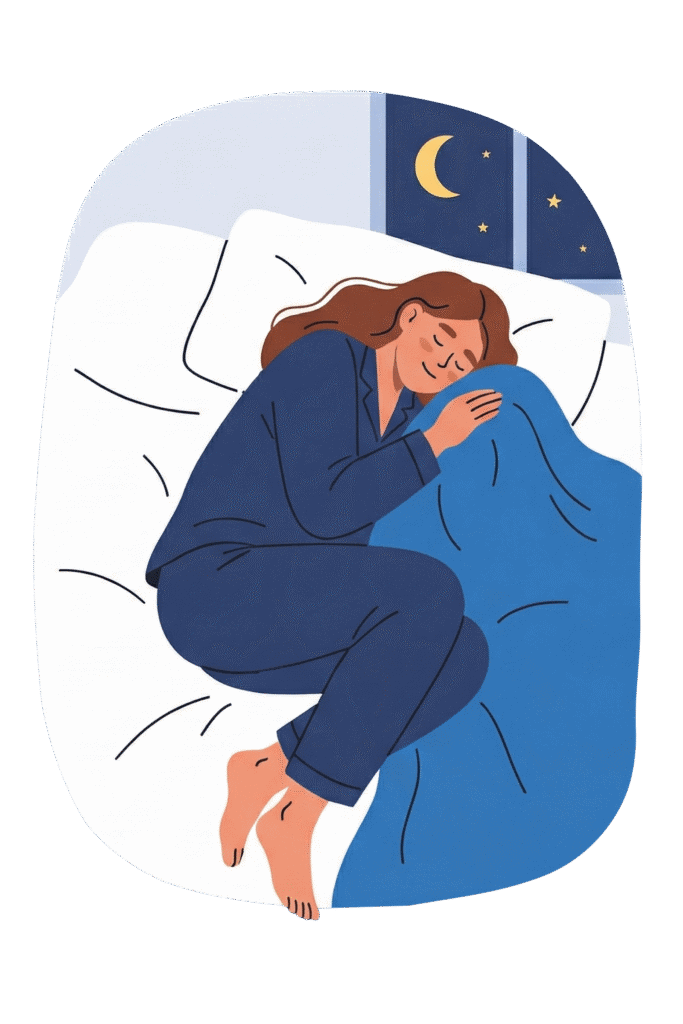
When sleeping on your side, your shoulders and hips bear most of the pressure. The mattress needs to sink moderately to distribute the pressure evenly—so a medium or medium-soft mattress is more suitable.
Back sleepers require proper lumbar support to maintain the natural curve of the spine. A medium or medium-firm mattress will offer greater comfort.
For stomach sleepers, an overly soft mattress can cause the lower back to sag and put excessive pressure on the shoulders. That’s why a firm mattress is the better choice.
Most sleep discomfort issues are not caused by poor-quality mattresses, but by a mismatch between mattress firmness and sleeping position. For example, a medium-firm mattress may provide perfect support for back sleepers, but side sleepers might feel pressure points on their shoulders.
Local Climate
Environmental conditions in 2026 are more severe than ever before, particularly in humid or tropical regions. Long-term warming trends continue to destabilize weather systems, resulting in heightened humidity and erratic weather patterns across the globe. This is a significant impact on the firmness of the mattress.
- Heat & Softening: High humidity and body heat can cause certain foams to soften over time.
- Material Selection: To counteract heat buildup, we suggest you choose breathable materials like Gel Memory Foam, Natural Latex, or Horsehair. These materials could maintain consistent firmness levels regardless of the external temperature.
Topper Layer
Many 5-star hotel chains use a strategic layering approach to manage firmness and longevity.
- The Strategy: Purchase a Firm (7-8/10) mattress for its structural durability and pair it with a Plush (3-4/10) Mattress Topper.
- Operational Benefit: This allows you to provide a luxurious, soft feel while maintaining a rigid, long-lasting base. It also makes maintenance easier—you can replace a topper at a fraction of the cost of a full mattress.
Milado Premier Hybrid Mattress
How to choose the right mattress firmness
Here are a few ways to judge the quality of a bed when choosing one:
- Lie down and feel the curvature of your spine: When sleeping on your side, your shoulders and hips should sink naturally; when sleeping on your back, your lower back should feel supported; when sleeping on your stomach, your spine should remain straight.
- Pay attention to the feeling of support: Not only look at the surface firmness, but also feel the internal elasticity and rebound speed.
- Consider your body type and sleeping posture: Lighter people who tend to sleep on their sides should choose a slightly softer bed; heavier people who tend to sleep on their backs should choose a slightly firmer bed.
- Experience it over a longer period: Try lying down for at least 10 minutes. If possible, try sleeping on it for a few nights and see how much fatigue you experience in your lower back the next day.
FAQ
Is "harder always better"?
No. Too hard can pressure shoulders and hips.
Does the same mattress feel different for different people?
Yes. Body type, weight, and sleeping position affect perception.
How To Make a Mattress Firmer?
- Use a firmer mattress topper — a thin memory foam or latex topper with higher density can provide additional support.
- Place plywood or a firm board under the mattress — this reduces sagging and adds firmness.
- Check and adjust the foundation or bed frame — an uneven or flexible base can make a mattress feel softer than it is.
- Flip the mattress (if applicable) — sometimes sagging occurs in one area; frequent turning prevents pressure points from consistently appearing in the same spot, which can lead to sagging.